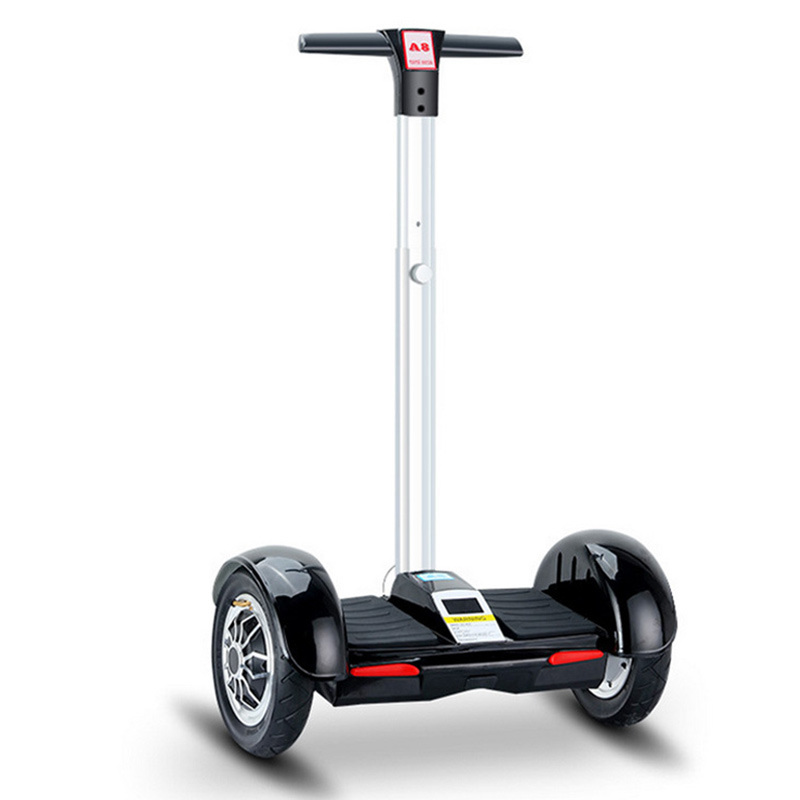
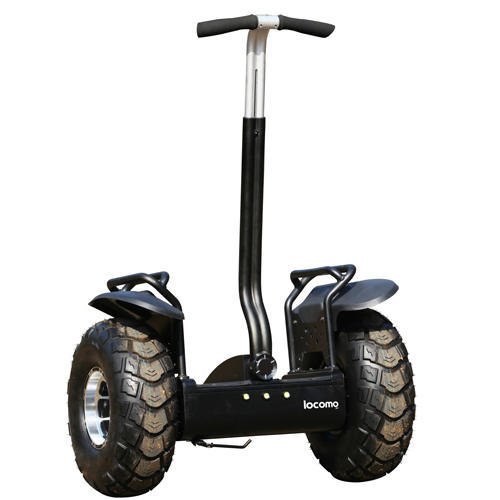
Self-balancing scooters, also known as hoverboards or electric scooters, are two-wheeled personal transporters that use motors and gyroscopes to remain upright. Riders control the speed and direction by leaning forward, backward, and tilting their feet.
Here's a breakdown of how self-balancing scooters work:
Motors: Electric motors in the wheels propel the scooter forward.
Gyroscopes and Accelerometers: These sensors detect the rider's tilt and keep the scooter balanced.
Microcontroller: This tiny computer receives signals from the sensors and sends instructions to the motors to keep the scooter upright.
Self-balancing scooters are a fun and convenient way to get around, but it's important to be aware of safety regulations and practice in a safe environment before riding in public.
Generally, they are safe when used properly. However, falls can happen, so it’s important to wear protective gear like a helmet, knee pads, and elbow pads. Also, be aware of your surroundings and ride in safe areas.
Laws and regulations vary by location. It’s important to check your local ordinances before riding in public. Generally, sidewalks and streets are not allowed, but skate parks or designated e-scooter zones might be okay.
Consider factors like speed, weight limit, battery life, wheel size, and durability. Think about where you’ll be riding and choose a scooter that fits your needs.
Most require minimal maintenance, but keeping the battery charged and the wheels clean is important. Refer to the manufacturer’s instructions for specific care needs.
Hopefully, this FAQ helps you decide if a self-balancing scooter is right for you!